

Peptides have quickly become a popular topic in fitness, bodybuilding, and sports science circles. As research into performance optimization continues to grow, peptides are increasingly recognized for their potential role in muscle growth, recovery, and overall body composition. While peptides are not a replacement for proper training, nutrition, and rest, they may offer supportive benefits that help athletes and fitness enthusiasts reach their goals more efficiently.
This article explores what peptides are, how they work, and the key benefits peptides may offer for muscle growth.
What Are Peptides?
Peptides are short chains of amino acids, which are the building blocks of proteins. Unlike full proteins, peptides are smaller and more targeted in function. Because of their size, peptides can interact with specific receptors in the body, influencing processes such as hormone signaling, tissue repair, and cellular communication.
In the context of muscle development, certain peptides are studied for their ability to support anabolic pathways, improve recovery, and enhance training adaptations.
How Peptides Support Muscle Growth
Muscle growth—also known as muscle hypertrophy—occurs when muscle fibers experience stress during resistance training and then repair themselves to become larger and stronger. Peptides may support this process in several indirect but meaningful ways.
1. Supporting Growth Hormone Activity
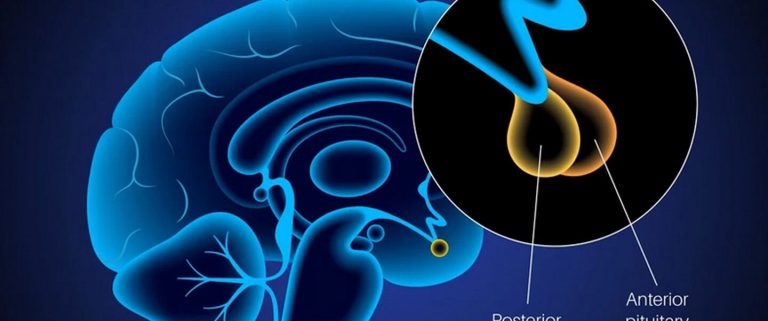
Some peptides are researched for their ability to stimulate the natural release of growth hormone (GH). Growth hormone plays a critical role in:
- Muscle tissue repair
- Fat metabolism
- Recovery after intense exercise
By supporting GH signaling, peptides may help create an internal environment that is more favorable for lean muscle development over time.
2. Enhanced Muscle Recovery
Recovery is just as important as training intensity. Without adequate recovery, muscle growth stalls and injury risk increases. Certain peptides are studied for their potential to:
- Support muscle tissue repair
- Reduce exercise-induced muscle soreness
- Improve recovery between workouts
Faster recovery allows athletes to train more consistently, which is a key factor in long-term muscle growth.
3. Improved Protein Synthesis
Muscle growth depends heavily on protein synthesis, the process by which the body builds new muscle proteins. Research suggests some peptides may help optimize cellular signaling pathways involved in muscle repair and rebuilding.
When combined with resistance training and adequate dietary protein intake, peptides may support a more efficient muscle-building process.
4. Lean Muscle Development
One appealing benefit of peptides is their potential to support lean muscle gains without excessive water retention. Unlike some performance-enhancing compounds, peptides are often researched for their ability to encourage gradual, quality muscle growth rather than rapid, inflated size.
This makes peptides attractive to athletes focused on:
- Aesthetic physique development
- Strength-to-weight ratio improvements
- Long-term sustainability
Peptides and Fat Loss Synergy
While this article focuses on muscle growth, it’s worth noting that many peptides are also researched for their role in fat metabolism. Improved fat utilization can make muscle gains more visible and contribute to a leaner appearance.
Benefits may include:
- Enhanced lipolysis (fat breakdown)
- Improved body recomposition
- Better energy utilization during training
This muscle–fat balance is especially valuable during cutting or recomposition phases.
Support for Joint and Connective Tissue Health
Muscle growth isn’t just about muscle fibers. Tendons, ligaments, and joints must also adapt to increased training loads. Some peptides are studied for their role in collagen production and connective tissue support, which may help:
- Reduce joint discomfort
- Support tendon strength
- Improve overall training longevity
Healthy joints allow athletes to train harder and more consistently—both essential for muscle growth.
Improved Training Performance
Although peptides are not stimulants, some users report indirect performance benefits, such as:
- Improved workout endurance
- Better training consistency
- Enhanced mind–muscle connection
These effects may be linked to better recovery, hormonal balance, and reduced fatigue, all of which contribute to higher-quality training sessions.
Peptides vs. Traditional Muscle-Building Supplements
Compared to common supplements like protein powders, creatine, or amino acids, peptides work at a signaling level rather than simply providing nutrients. While traditional supplements supply raw materials, peptides may help optimize how the body uses those materials.
That said, peptides are most effective when combined with:
- A structured resistance training program
- Adequate caloric intake
- High-quality dietary protein
- Proper sleep and stress management
They are best viewed as a supportive tool, not a shortcut.
Safety, Research, and Responsible Use
It’s important to understand that many peptides are still under ongoing research. While early findings are promising, peptides should be approached responsibly and with a strong emphasis on education.
Key considerations include:
- Understanding research-backed mechanisms
- Avoiding unrealistic expectations
- Prioritizing long-term health over rapid results
Anyone considering peptides should stay informed, follow evidence-based guidance, and ensure they are using high-quality, lab-tested products intended for legitimate research or clinical contexts.
Who May Benefit Most from Peptides?
Peptides may be especially appealing to:
- Experienced athletes seeking improved recovery
- Bodybuilders focused on lean muscle gains
- Fitness enthusiasts plateauing in progress
- Individuals prioritizing longevity and joint health
They are not a replacement for fundamentals, but rather a potential enhancement for those who already have a solid foundation.
Final Thoughts: Are Peptides Worth Considering for Muscle Growth?
Peptides represent an exciting and evolving area of sports and muscle science. Their ability to support growth hormone signaling, muscle recovery, protein synthesis, and connective tissue health makes them a compelling topic for anyone serious about fitness and physique development.
When combined with smart training, proper nutrition, and disciplined recovery habits, peptides may help support muscle growth in a gradual, sustainable way. As research continues to advance, peptides are likely to remain at the forefront of modern performance optimization discussions.
For those committed to long-term progress, understanding peptides—and how they fit into a balanced approach to muscle growth—can be a valuable step toward achieving stronger, leaner, and more resilient results.