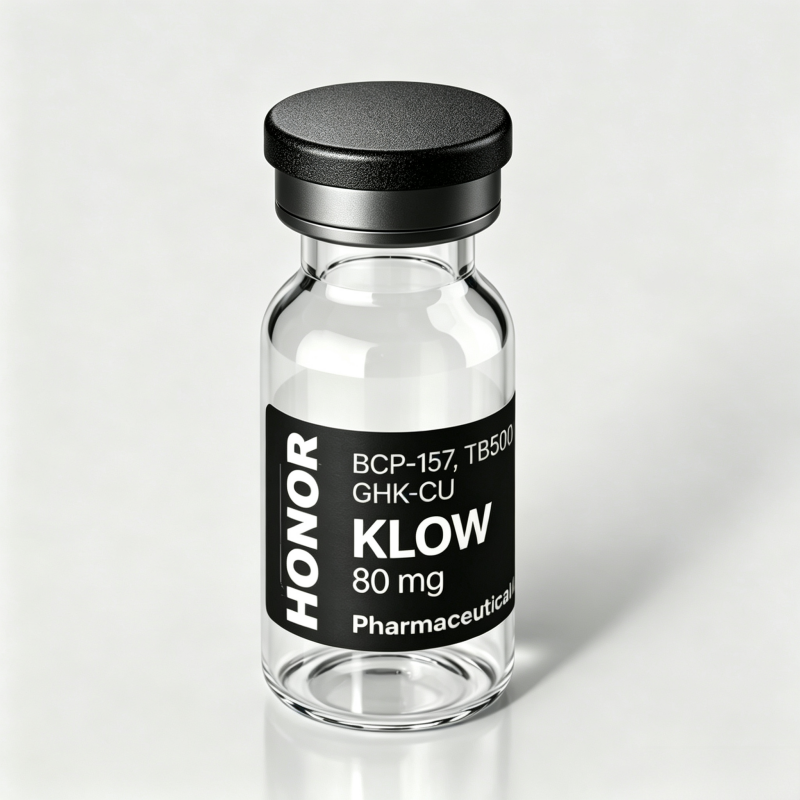
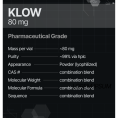
KLOW (80mg)
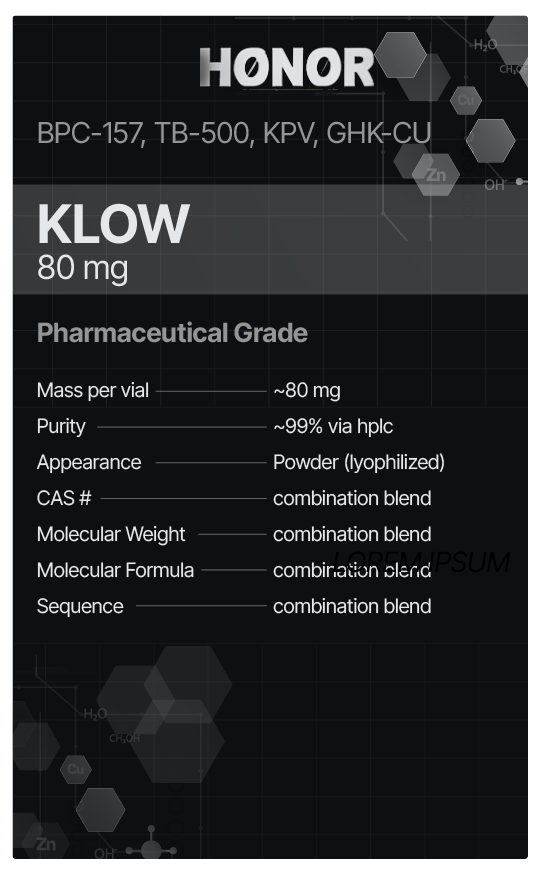
The Klow Blend is a research peptide combination that includes BPC-157 10mg, TB-500 10mg, KPV 10mg, and GHK-Cu 50mg, formulated for studies focused on cellular repair, immune modulation, and extracellular matrix regulation. BPC-157 supports nitric oxide and growth factor signaling, TB-500 influences actin dynamics and tissue remodeling, KPV modulates NF-κB and cytokine pathways, and GHK-Cu regulates metalloprotein activity and redox balance. Together, the Klow Blend is widely used in research exploring regeneration, inflammation control, and peptide–metal interaction mechanisms.
- Estimated Delivery : Up to 4 business days
- Free Shipping & Returns : On all orders over $200
KLOW is a multi-peptide research blend formulated to combine the complementary biological activities of BPC-157, TB-500, KPV, and GHK-Cu. Together, these peptides are widely studied for their collective role in cellular repair, immune signaling modulation, extracellular matrix (ECM) regulation, and regenerative biochemistry.
1. Comprehensive Cellular Repair Support
KLOW is designed to address multiple layers of the repair process.
BPC-157 supports signaling involved in tissue protection and regeneration.
TB-500 influences cytoskeletal dynamics critical for cell migration and repair.
Together, they provide a robust model for studying coordinated cellular recovery under stress or injury conditions.
2. Regulation of Inflammation and Immune Signaling
A key benefit of KLOW is its role in immune modulation research.
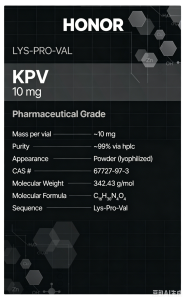
KPV, a peptide derived from α-MSH, is studied for its ability to modulate NF-κB and cytokine signaling, pathways central to inflammatory responses.
This makes KLOW useful in experimental models examining inflammation balance, immune resilience, and recovery environments.
3. Supports Extracellular Matrix Remodeling
Healthy regeneration depends on a well-regulated extracellular matrix.
GHK-Cu influences collagen regulation, metalloprotein activity, and ECM turnover.
TB-500 supports actin polymerization and structural reorganization.
Together, these peptides make KLOW valuable in research focused on connective tissue dynamics and matrix remodeling.
4. Angiogenic and Growth Factor Signaling Research
BPC-157 is widely studied for its interaction with nitric oxide pathways and growth factor expression, both of which are essential for vascular support and nutrient delivery. In combination with the other peptides, KLOW allows researchers to study integrated angiogenic and regenerative signaling networks.
5. Redox Balance and Antioxidant Pathway Support
GHK-Cu plays a central role in copper-dependent redox regulation and supports enzymatic antioxidant systems. This function is critical in research models examining oxidative stress, cellular aging, and metabolic resilience.
6. Multi-Pathway Regenerative Synergy
One of KLOW’s primary advantages is its synergistic design. Each peptide targets a different but interconnected biological pathway—structural repair, immune modulation, oxidative balance, and signaling regulation—making KLOW an effective research tool for studying complex regenerative systems rather than isolated mechanisms.
7. Useful in Musculoskeletal and Connective Tissue Research
Due to its combined effects on cytoskeletal structure, ECM regulation, and cellular signaling, KLOW is frequently used in studies related to muscle, tendon, ligament, and soft tissue recovery models.
8. Valuable Tool in Advanced Peptide Research
KLOW serves as a model peptide blend for investigating:
Peptide–peptide interactions
Peptide–metal complexes
Coordinated regulation of inflammation and regeneration
Its formulation allows researchers to explore systems-level biological responses rather than single-target effects.
Summary
In research settings, KLOW is valued for its potential benefits related to cellular repair, inflammation modulation, extracellular matrix remodeling, oxidative balance, and regenerative signaling synergy. By combining BPC-157, TB-500, KPV, and GHK-Cu, KLOW provides a comprehensive platform for studying multi-pathway regeneration and immune-repair interactions.
是第一个审查"KLOW (80mg)"
相关产品
-
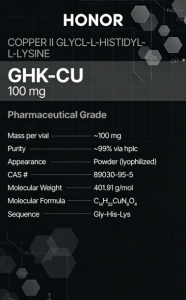
GHK-CU (100mg)
$106 -
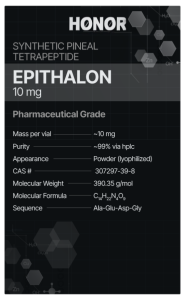
Epitalon (10mg)
$85 -
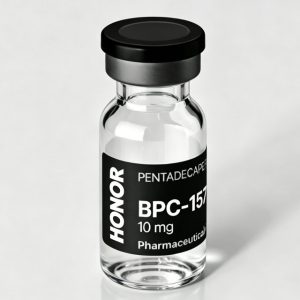
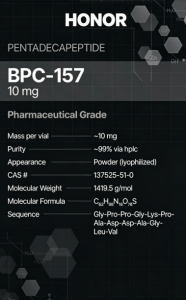
BPC-157 (10mg)
$199 -
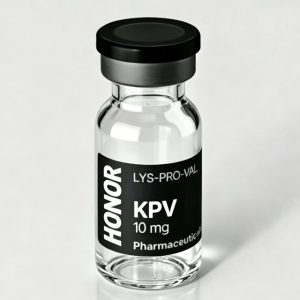
KPV (10mg)
$120
 Tesamorelin (10mg)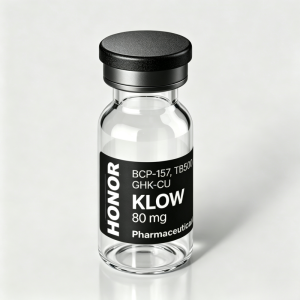
评论
有没有评论。