
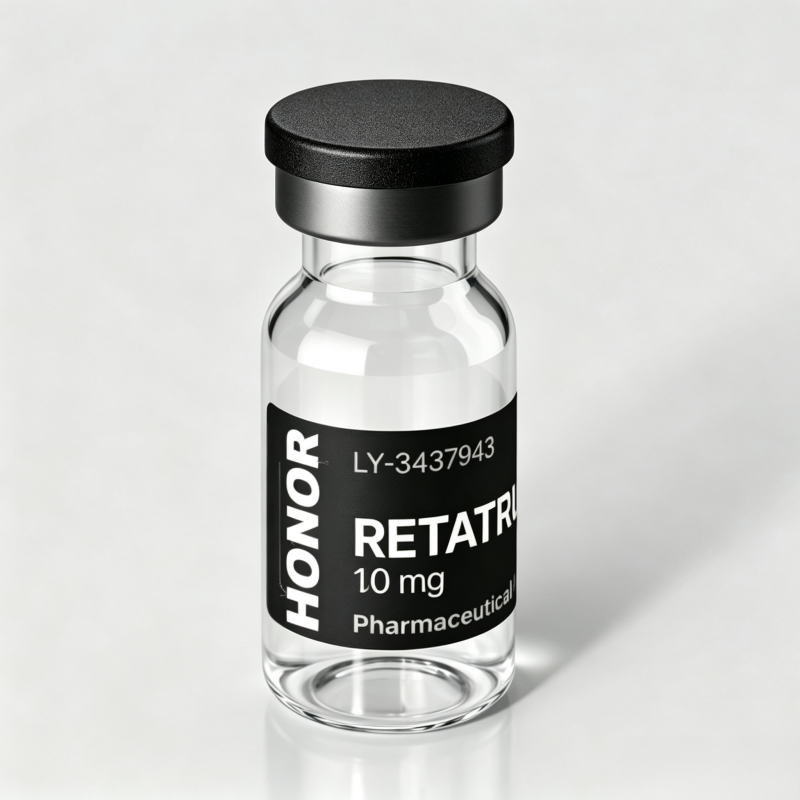
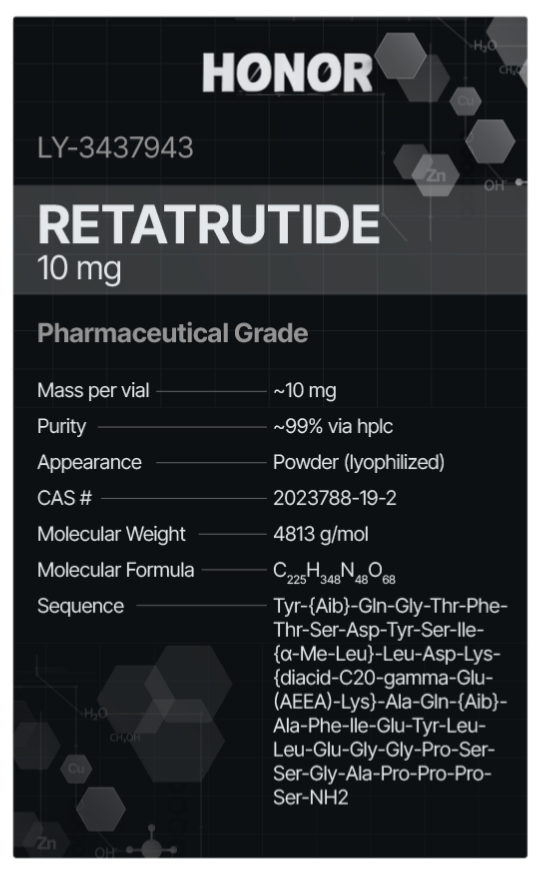
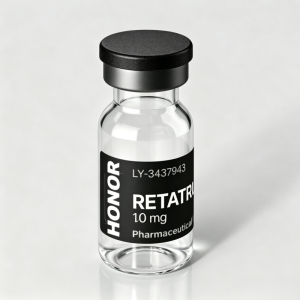
Retatrutide (10mg)
Retatrutide 10 mg is a next-generation triple-agonist peptide developed by Eli Lilly that simultaneously activates GLP-1, GIP, and glucagon receptors. This advanced multi-receptor approach distinguishes retatrutide from earlier weight-management compounds by targeting appetite control, insulin regulation, energy expenditure, and fat oxidation together, making it a key focus in metabolic and obesity research.
- Estimated Delivery : Up to 4 business days
- Free Shipping & Returns : On all orders over $200
Retatrutide 10 mg is a triple-agonist research peptide developed by Eli Lilly that simultaneously activates the GLP-1, GIP, and glucagon receptors. This lower-dose format is commonly referenced in research models designed to explore early-stage metabolic effects, dose-response dynamics, and balanced pathway activation.
1. Supports Appetite Regulation and Satiety
Through activation of GLP-1 and GIP receptors, Retatrutide 10 mg is studied for its ability to reduce hunger signals and enhance feelings of fullness. These effects are central to research on appetite control, eating behavior, and caloric intake regulation, particularly in early or moderate intervention models.
2. Promotes Glucose and Insulin Balance
Retatrutide supports glucose-dependent insulin signaling, helping regulate post-meal glucose levels in experimental settings. This makes the 10 mg format useful in studies focused on insulin sensitivity, glucose homeostasis, and metabolic efficiency without emphasizing high-intensity stimulation.
3. Activates Energy Expenditure Pathways
By engaging the glucagon receptor, Retatrutide 10 mg is studied for its role in increasing energy expenditure and metabolic activity. This pathway supports research into basal metabolic rate, thermogenic signaling, and energy utilization, even at lower dose levels.
4. Encourages Fat Oxidation and Metabolic Flexibility
The combined incretin and glucagon activity allows Retatrutide 10 mg to be used in models examining fat oxidation and substrate switching. Researchers explore how this balanced activation may support lipid metabolism and adaptive energy use over time.
5. Balanced Multi-Pathway Metabolic Signaling
One of the key benefits of Retatrutide is its triple-agonist mechanism, even at the 10 mg level. This enables the study of integrated metabolic regulation—addressing appetite, glucose control, and energy expenditure together rather than through a single pathway.
6. Useful for Dose-Response and Titration Research
The 10 mg strength is particularly valuable for investigating dose-dependent effects, receptor sensitivity, and signaling thresholds. It is often used in research exploring gradual pathway engagement and metabolic adaptation.
7. Supports Cardiometabolic Research Models
Weight regulation, insulin signaling, and lipid metabolism are interconnected with cardiometabolic health. Retatrutide 10 mg is used in experimental settings examining early metabolic imbalance, insulin resistance pathways, and systemic energy regulation.
8. Key Tool in Next-Generation Metabolic Peptide Research
Retatrutide represents a new class of multi-agonist metabolic peptides. The 10 mg format is especially useful for studying:
Early metabolic signaling responses
Integrated hormone pathway activation
Obesity and diabetes research models
Future peptide-based metabolic strategies
Summary
In research contexts, Retatrutide 10 mg is valued for its potential benefits related to appetite control, glucose regulation, increased energy expenditure, fat oxidation, and balanced multi-pathway metabolic signaling. Its GLP-1, GIP, and glucagon triple-agonist design makes it an important compound for studying dose-sensitive and early-stage metabolic regulation mechanisms.
是第一个审查"Retatrutide (10mg)"
相关产品
-
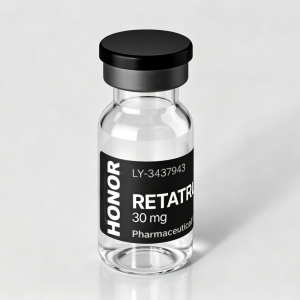
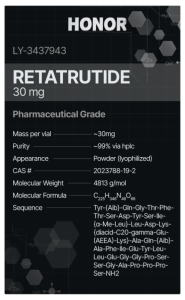
Retatrutide (30mg)
$418 -
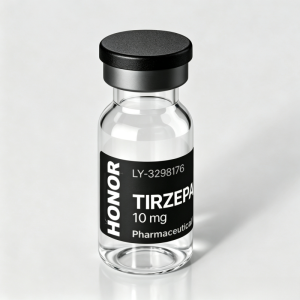
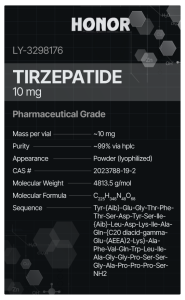
Tirzepatide (10mg)
$126
评论
有没有评论。