-
$199
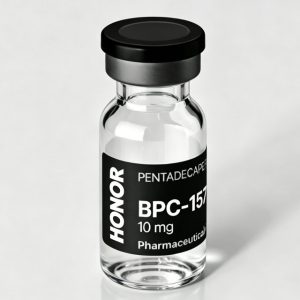
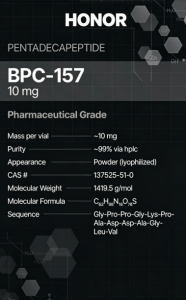
BPC-157 is a research peptide made up of 15 amino acids and derived from the body protection compound naturally found in gastric juice. Scientific studies indicate that BPC-157 may support angiogenesis, cytoprotection, and regenerative signaling by modulating nitric oxide pathways, growth factor activity, and extracellular matrix remodeling. These properties make BPC-157 a valuable peptide for research into tissue repair, cellular recovery, and regenerative processes under stress conditions.
-
$164
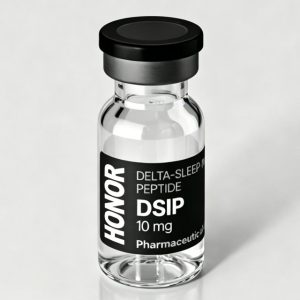
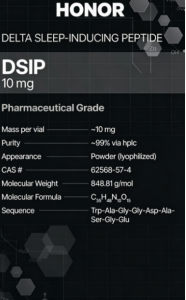
DSIP (Delta Sleep-Inducing Peptide) is a research neuropeptide composed of eight amino acids and studied for its role in neuroendocrine regulation, sleep-related signaling, and stress adaptation. Research suggests DSIP may influence GABAergic activity and hypothalamic pathways, making it a valuable compound in studies of sleep biology, circadian rhythms, and peptide neurobiology.
-
$106
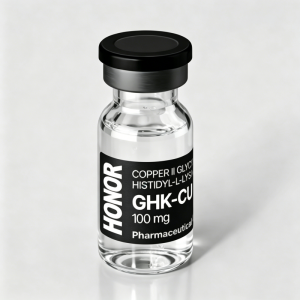
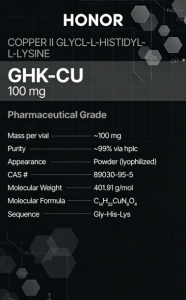
GHK-Cu is a research peptide–copper complex composed of the tripeptide Gly-His-Lys bound to copper (II) ions, widely studied for its role in cellular signaling and extracellular matrix modulation. Preclinical research suggests GHK-Cu may support collagen regulation, gene expression, and antioxidant enzyme activity through copper-mediated redox mechanisms, making it a key compound in tissue remodeling, metalloprotein regulation, and regenerative biochemistry research.
-
$142
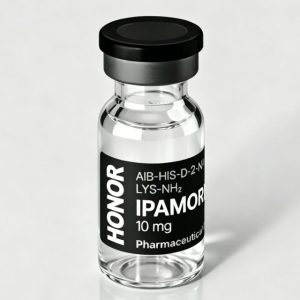
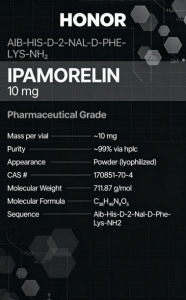
Ipamorelin is a synthetic pentapeptide growth hormone secretagogue that selectively activates the growth hormone secretagogue receptor (GHS-R1a), also known as the ghrelin receptor. In research models, Ipamorelin stimulates Gq/PLC-dependent calcium signaling to promote growth hormone release while showing minimal effect on other pituitary hormones such as ACTH, cortisol, prolactin, FSH, LH, and TSH. Its high receptor selectivity makes Ipamorelin a widely used compound in studies of somatotropic signaling, pituitary receptor pharmacology, and peptide-mediated tissue and musculoskeletal research.
-
$120
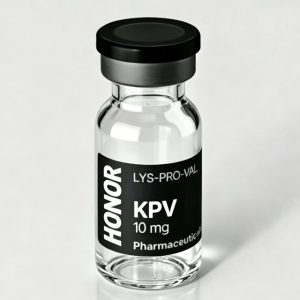
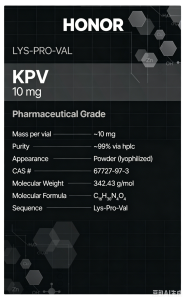
KPV is a synthetic tripeptide fragment derived from the C-terminal sequence of alpha-melanocyte-stimulating hormone (α-MSH). It exerts regulatory effects on inflammatory signaling via melanocortin receptor activation and NF-κB pathway modulation in experimental models. KPV is used in research investigating epithelial integrity, cytokine balance, and immune-mediated stress responses.
-
$130
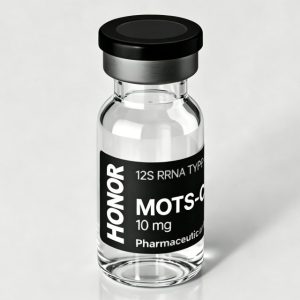
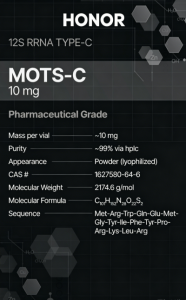
MOTS-c is a mitochondria-derived research peptide composed of 16 amino acids and encoded within the mitochondrial 12S rRNA gene. Preclinical studies show that MOTS-c plays a role in cellular metabolism and mitochondrial homeostasis by activating AMPK signaling pathways. Due to its unique mitochondrial origin, MOTS-c is widely used in metabolic, aging, and energy regulation research, particularly in studies focused on stress adaptation and mitochondrial signaling mechanisms.
-
$270
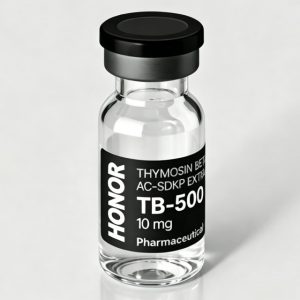
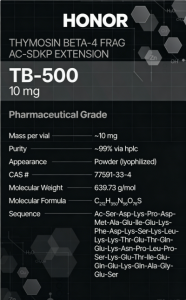
TB-500 (Thymosin Beta-4) is a research peptide representing a 43-amino-acid sequence of Thymosin Beta-4, an actin-binding protein involved in cytoskeletal organization and tissue regeneration. Preclinical studies indicate that TB-500 supports cell migration, angiogenesis, and actin polymerization by regulating the β-actin/G-actin cycle and associated growth factor signaling. It is widely used in research focused on wound repair, cellular motility, and peptide-mediated regenerative mechanisms.
-
$360
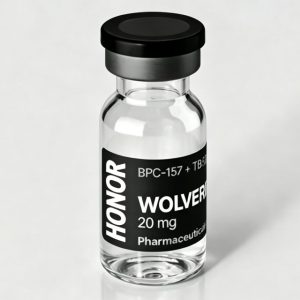
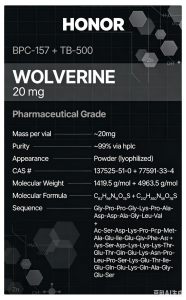
The BPC-157 + TB-500 Blend is a research peptide combination studied for its role in cellular repair, angiogenesis, and tissue remodeling. BPC-157, a 15-amino-acid gastric peptide fragment, supports nitric oxide modulation and growth factor signaling, while TB-500 (a segment of Thymosin Beta-4) regulates actin polymerization and cytoskeletal organization. Together, this blend is widely used in preclinical regenerative biology research, including studies on wound modulation and peptide-mediated cellular recovery.