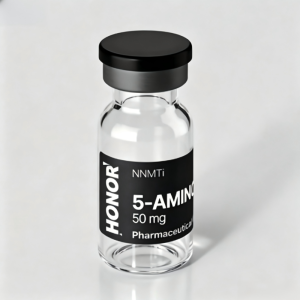
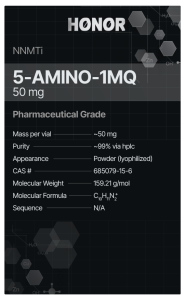
5-Amino-1MQ is a small-molecule research compound recognized for its role as a selective nicotinamide N-methyltransferase (NNMT) inhibitor. In preclinical metabolic studies, 5-Amino-1MQ has been shown to support NAD⁺ salvage pathway activity, which may contribute to improved cellular energy balance and enhanced sirtuin signaling.
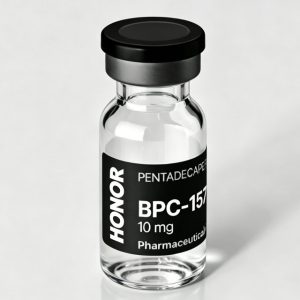
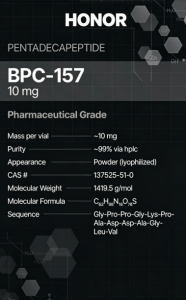
BPC-157 is a research peptide made up of 15 amino acids and derived from the body protection compound naturally found in gastric juice. Scientific studies indicate that BPC-157 may support angiogenesis, cytoprotection, and regenerative signaling by modulating nitric oxide pathways, growth factor activity, and extracellular matrix remodeling. These properties make BPC-157 a valuable peptide for research into tissue repair, cellular recovery, and regenerative processes under stress conditions.
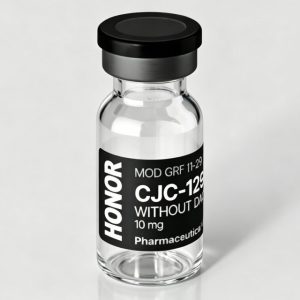
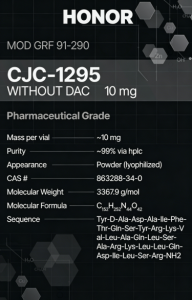
CJC-1295 (No DAC), also known as Modified GRF (1–29), is a research peptide and a stabilized analog of growth hormone–releasing hormone (GHRH 1–29) designed for improved receptor affinity without DAC conjugation. It activates the GHRH receptor, stimulating cAMP and somatotropic signaling pathways under experimental conditions. CJC-1295 (No DAC) is widely used in research focused on peptide pharmacokinetics, growth hormone signaling, and pituitary receptor regulation.
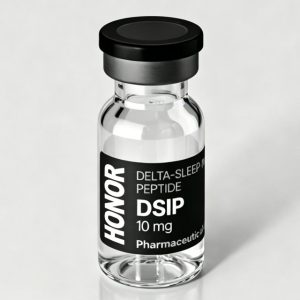
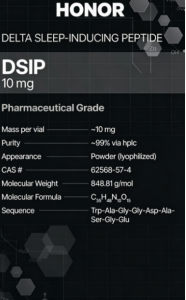
DSIP (Delta Sleep-Inducing Peptide) is a research neuropeptide composed of eight amino acids and studied for its role in neuroendocrine regulation, sleep-related signaling, and stress adaptation. Research suggests DSIP may influence GABAergic activity and hypothalamic pathways, making it a valuable compound in studies of sleep biology, circadian rhythms, and peptide neurobiology.
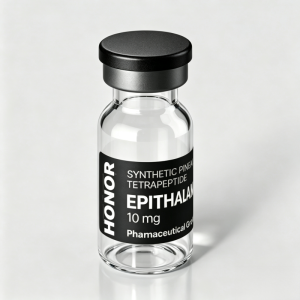
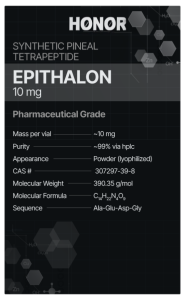
Epitalon (Epithalon, AEDG) is a synthetic tetrapeptide consisting of four amino acids (Ala-Glu-Asp-Gly) based on a naturally occurring pineal gland peptide. Developed by Russian scientist Vladimir Khavinson and studied for over 35 years, Epitalon is primarily researched for its ability to activate telomerase, extend telomeres, and potentially slow cellular aging through multiple mechanisms including melatonin regulation and gene expression modulation.
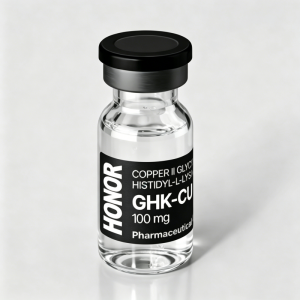
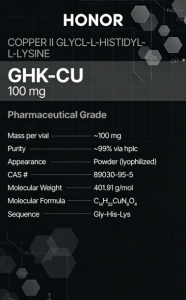
GHK-Cu is a research peptide–copper complex composed of the tripeptide Gly-His-Lys bound to copper (II) ions, widely studied for its role in cellular signaling and extracellular matrix modulation. Preclinical research suggests GHK-Cu may support collagen regulation, gene expression, and antioxidant enzyme activity through copper-mediated redox mechanisms, making it a key compound in tissue remodeling, metalloprotein regulation, and regenerative biochemistry research.
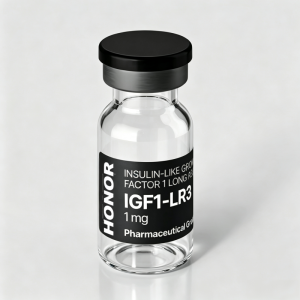
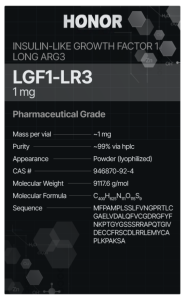
IGF-1 LR3 is a research peptide analog of human insulin-like growth factor-1 (IGF-1) featuring a 13-amino-acid N-terminal extension that improves stability and receptor affinity. In experimental models, IGF-1 LR3 activates the IGF-1 receptor, stimulating PI3K/Akt and MAPK/ERK signaling pathways involved in cell growth, differentiation, metabolic regulation, and anabolic signaling. It is widely used in research focused on receptor kinetics, tissue remodeling, and peptide-mediated growth mechanisms.
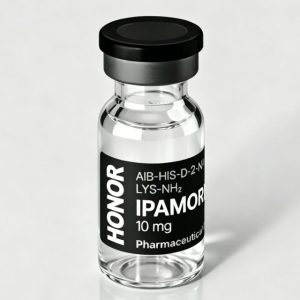
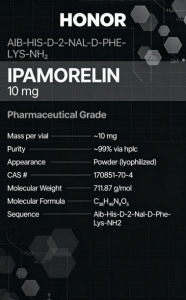
Ipamorelin is a synthetic pentapeptide growth hormone secretagogue that selectively activates the growth hormone secretagogue receptor (GHS-R1a), also known as the ghrelin receptor. In research models, Ipamorelin stimulates Gq/PLC-dependent calcium signaling to promote growth hormone release while showing minimal effect on other pituitary hormones such as ACTH, cortisol, prolactin, FSH, LH, and TSH. Its high receptor selectivity makes Ipamorelin a widely used compound in studies of somatotropic signaling, pituitary receptor pharmacology, and peptide-mediated tissue and musculoskeletal research.
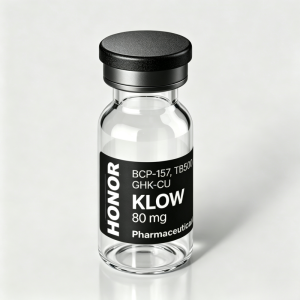
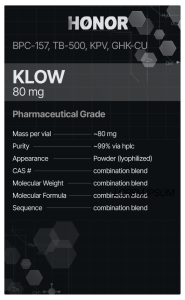
The Klow Blend is a research peptide combination that includes BPC-157 10mg, TB-500 10mg, KPV 10mg, and GHK-Cu 50mg, formulated for studies focused on cellular repair, immune modulation, and extracellular matrix regulation. BPC-157 supports nitric oxide and growth factor signaling, TB-500 influences actin dynamics and tissue remodeling, KPV modulates NF-κB and cytokine pathways, and GHK-Cu regulates metalloprotein activity and redox balance. Together, the Klow Blend is widely used in research exploring regeneration, inflammation control, and peptide–metal interaction mechanisms.